
LATAM has become one of the most closely watched regions in gaming for its rapid expansion, to the point that it’s hard to frame as an emerging market anymore. According to Statista, LATAM generated over USD 20.31 billion in gaming revenue during 2025, supported by a mobile-first, free-to-play culture and rising player engagement across online purchases and esports.
Even so, adaptations meant to accommodate the LATAM are still too often reduced to a simplistic language checklist. (Spanish? Check. Brazilian Portuguese? Check, and done.) For a region that, in reality, behaves more like a cluster of distinct markets with different platforms, payment habits, and expectations for cultural voice, such a narrow adaptive scope is a disservice. A strong LATAM localization plan, by contrast, treats those differences as an inherent part of production to be accommodated in order to reach as many players as possible.
Language Planning Beyond “Spanish Plus Brazilian Portuguese”
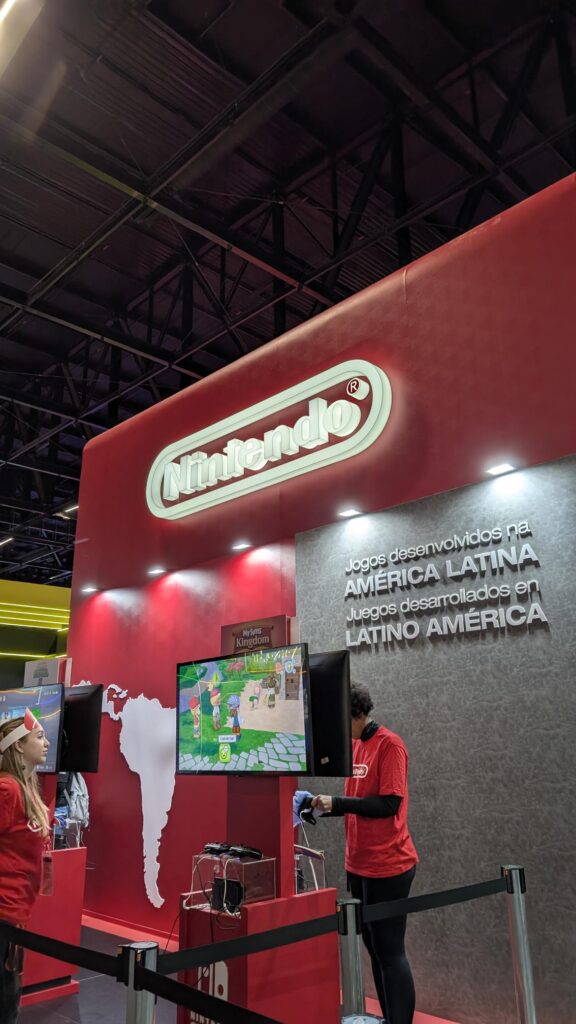
Brazilian Portuguese (PT-BR) cannot be treated as a variant of European Portuguese (PT-PT), and LATAM Spanish shouldn’t be confused with European Spanish, either. Linguistic elements and cultural defaults of these variants differ enough that players notice quickly, especially in terms of humor and social features, when one is supplanting another. In fact, localization for each language typically requires its own set of terminology decisions, voice direction, and even its own community language.
Spanish also requires some additional considerations. For the LATAM variant, for instance, many teams aim for a neutral register, but a neutral register still calls for personality and consistency. Mexico, the Andes, the Caribbean, and the Southern Cone are each home to a strong linguistic identity, so players from those regions react when dialogue feels imported or oddly generic to them. In these cases, the real localization and culturalization decisions are not, “Which country’s slang fits this game?,” but “What register fits this game?” and “What rules keep it coherent across the game’s environment and player support material?”
Platform Mix and Infrastructure Shape What “Good” Looks Like
LATAM tends to be mobile-first for practical reasons, including smartphone penetration and fewer current-gen consoles per capita than are found in North America or Western Europe. Mobile prevalence affects where gameplay friction tends to appear, since UI density and readability matter more, and long, text-heavy explanations rarely flow with the way people play.
PC cafés and shared device play still have a presence in parts of LATAM, especially in urban areas where access and hardware costs shape play habits and can affect session length and spending behavior. That’s why, when marketing teams plan with the LATAM region in mind early on, the UI and guidance land better in the first session, because they match real play conditions.
Monetization and Payments Are Part of Localization Strategy
Payment options can be more fragmented in LATAM than teams expect, so it helps to know up front that in several markets, credit card penetration is limited, and many players rely on local wallets, cash-based vouchers, or carrier billing. Allowing diverse payment methods shapes perceived value and trust, and the way offers are described matters as much as the payment method itself.
Localization supports such accommodations by making store language clear, keeping item descriptions consistent, and ensuring disclosure texts read naturally. In free-to-play games, trust is built through clarity, and the words on screen are the first test.
Culturalization and Representation Done with Care
LATAM players respond strongly to cultural touches that feel specific and respectful and react just as strongly in the opposite direction when content leans on clichés. “Generic Latino flavor,” cartel stereotypes, or shallow references to violence can trigger backlash, especially in community spaces where clips and reactive feedback travel fast.
It’s also important for production teams to recognize that LATAM offers a major opportunity to take positive localization even further. The region includes indigenous communities, Afro–Latin American identities, and a wealth of difference in terms of humor and social context. Of course, representation shouldn’t be a parade of references, but it absolutely benefits from culturalized evaluation early on to avoid lazy defaults that can result in the need for costly, reactive changes.
Quality, Community Support, and Player Trust
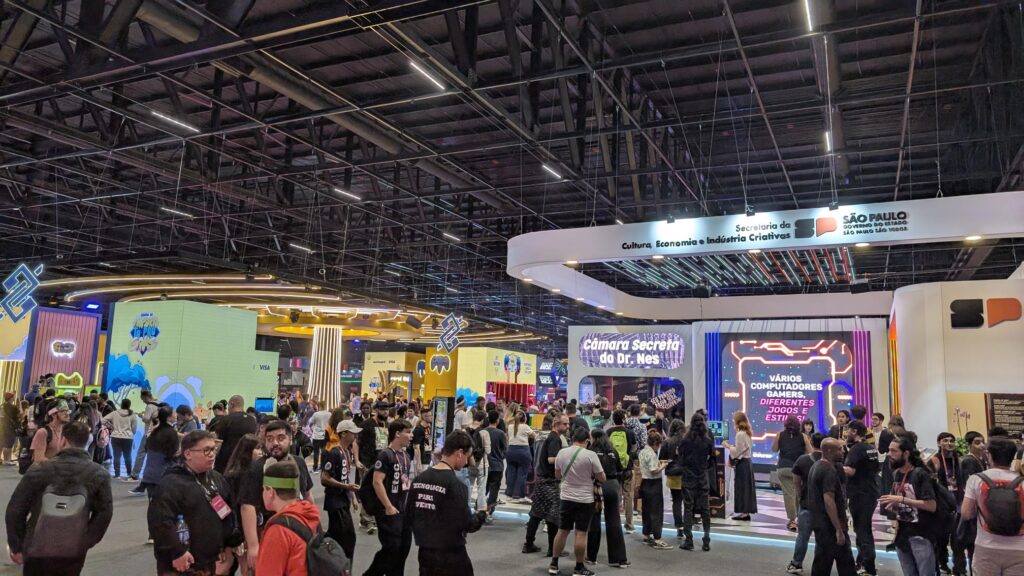
LATAM communities are passionate and vocal, which gives teams a valuable opportunity to listen and respond early to constructive criticism. While player feedback often brings attention to issues that matter most in context, however, relying on community reactions alone means issues are being identified post-publication. Regional LQA plays a key role, then, in helping teams identify problems before or alongside launch, including issues that simple string checks may miss because they’re only clear when the game is in motion.
The need for quality assurance continues after release, especially for live titles. In these scenarios, players are not only interacting with the game itself, but also with support content, patch notes, and update messaging that help them understand what’s changed, and what comes next. When that communication feels consistent and reliable, it strengthens player trust and reinforces developer credibility.
The Takeaway
LATAM rewards studios that see and plan for the region as it is: a mix of markets with different language expectations, platform habits, and community norms. Spanish and Brazilian Portuguese are only the entry point for localization, since real results come from culturally informed decisions that hold up in the build, from readable UI to sensitive writing and regional LQA. When production teams involve localization early, the process supports player trust and long-term engagement across the region.