
What Japan’s Gaming Market Reveals About Player Trust

Japan reinforces a key lesson for global game publishers: player trust is built on alignment. The Japanese market’s value is hugely enticing, but tapping into it means truly understanding and investing in its audience.
Accessibility as a Core Worldwide Gaming Experience
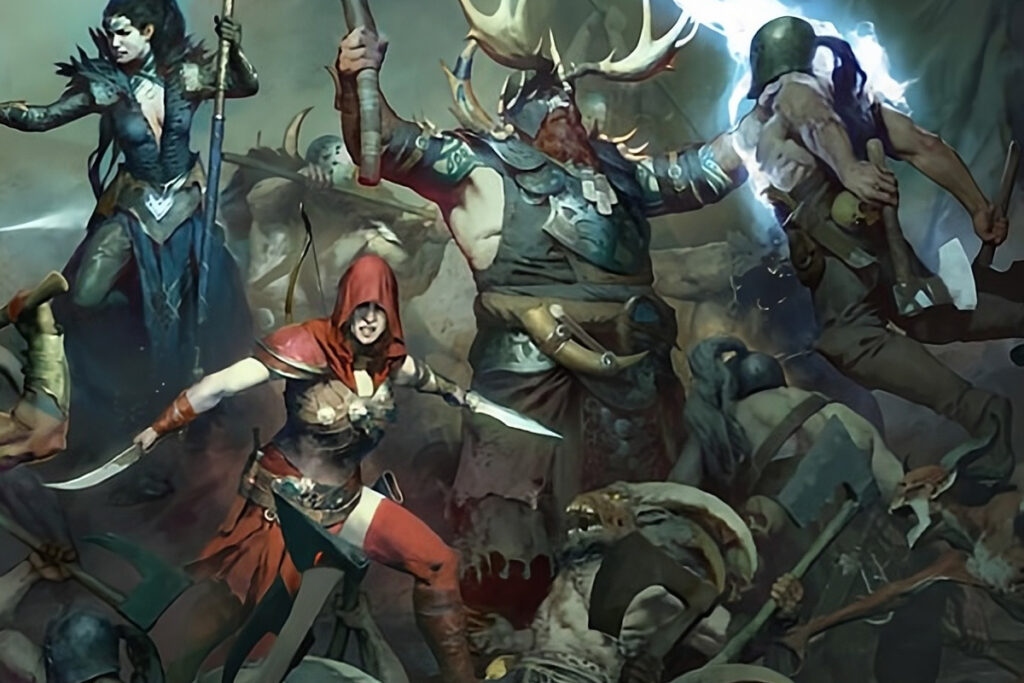
Accessibility is a mindset that touches everything and should be adopted accordingly: in writing, design, localization, QA, and voice/audio. In some cases, thinking in accessibility terms may require a cultural shift.
What Made Mario a Plumber Still Drives Localization Today

Just as Mario’s job changed to fit a new setting, localized content often needs to adjust to fit a new audience. Tone, humor, and references all ride on signals that aren’t always shared across cultures.
Game Localization in MENA: Meeting Players Where They Are
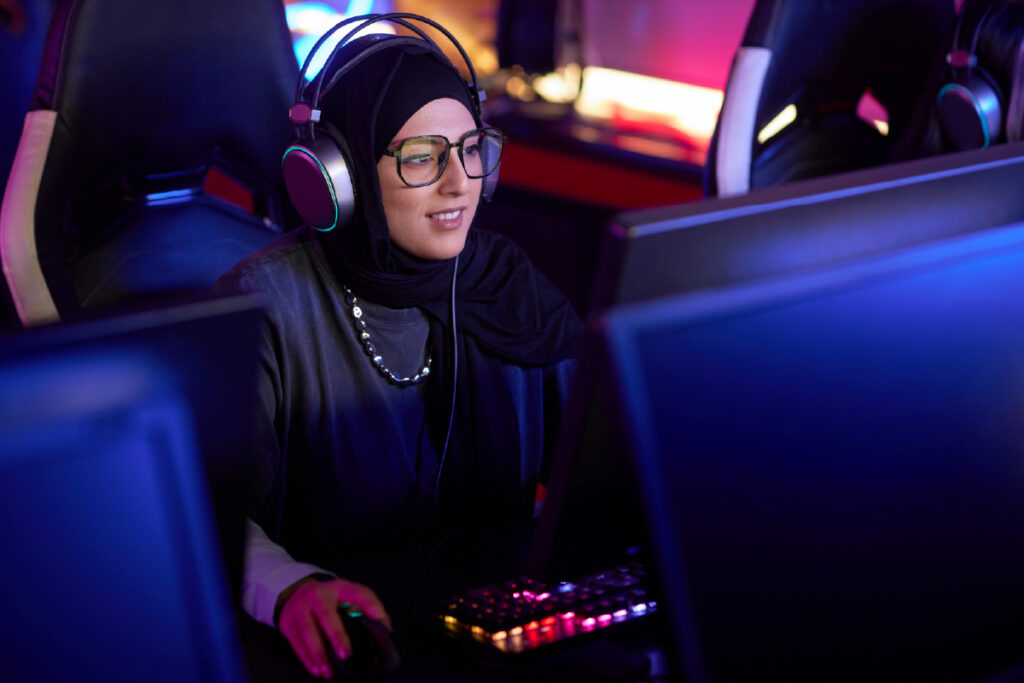
MENA brings multiple languages, platforms, and cultural expectations under one label, so successful releases rely on planning that respects that complexity.
Speaking the Same Language: How Game Terms Build Global Identity

When you play a video game, you step into a world of new rules, new stories, and often, new words. But sometimes, terminology is instantly recognizable, like Hadouken, which may well ring a bell even for players who’ve never touched a Street Fighter match. Other terms become widely known withing a community: a part of a […]
Dos and Don’ts of AI in Game Localization: Strategy Before Speed

AI can be a smart addition to a game localization program, but only when it serves a clear purpose and allows for human creativity to carry the experience. Planning AI tool adoption should start with identifying the why before data and content and content are prepared.
From Armor to Agency: The Evolution of Women in Games
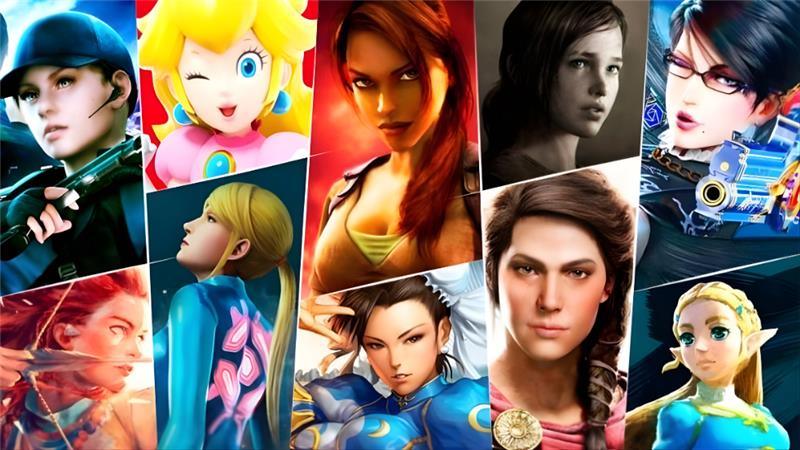
Think back to the first time a game made you pause as the realization hit you: Wait, she’s the lead? Moments like these used to be so infrequent that they often felt like a surprise gift for players, and that rarity was a huge influence on the degree to which characters like Samus, Lara, and Ciri became indelible for audiences worldwide.
Playing in Many Languages: Navigating the EMEA Game Market
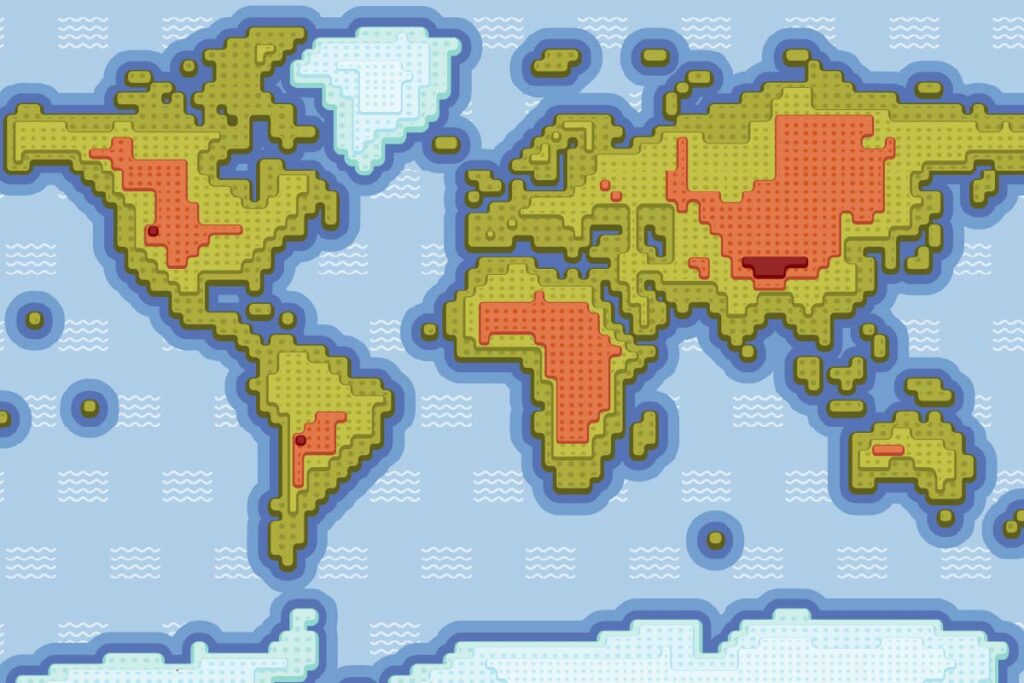
EMEA (Europe, Middle East, and Africa) might appear as one region on a planning deck. However, beneath that umbrella-shaped label are more than 100 countries, multiple writing systems, and human expectations shaped by local regulation, community behavior, and culture. For localization teams, this is one of the most nuanced and demanding markets to get right.
Localization Testing as Risk Management: What LQA and FQA Really Protect

Localization testing removes uncertainty from gameplay before players encounter it themselves. However, it’s most effective when it’s incorporated before the last minute.
Voice First: Why RPGs’ Localized Performances Carry the Story
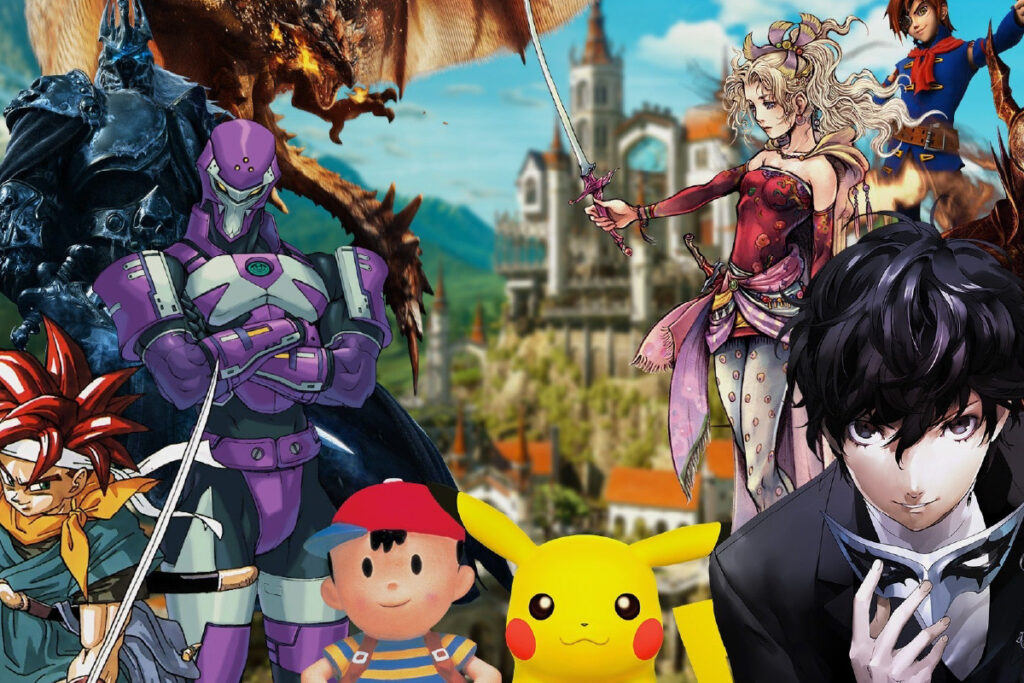
In RPGs, voice performances aren’t just another checklist item for developers and their localization teams. These performances are a key part of the games’ narrative design. They define how players connect with a game’s world, how characters grow according to a player’s choices, and how every moment lands (or doesn’t) with players as they engage.
The Creative Cost of AI in Video Game Localization

In a world increasingly shaped by automation, it’s tempting to believe AI can do it all: translate text, mimic tone, even capture cultural nuance. But when it comes to video game localization, the cracks in AI’s abilities are obvious.
Why Regional Realities Shape Smart Game Localization
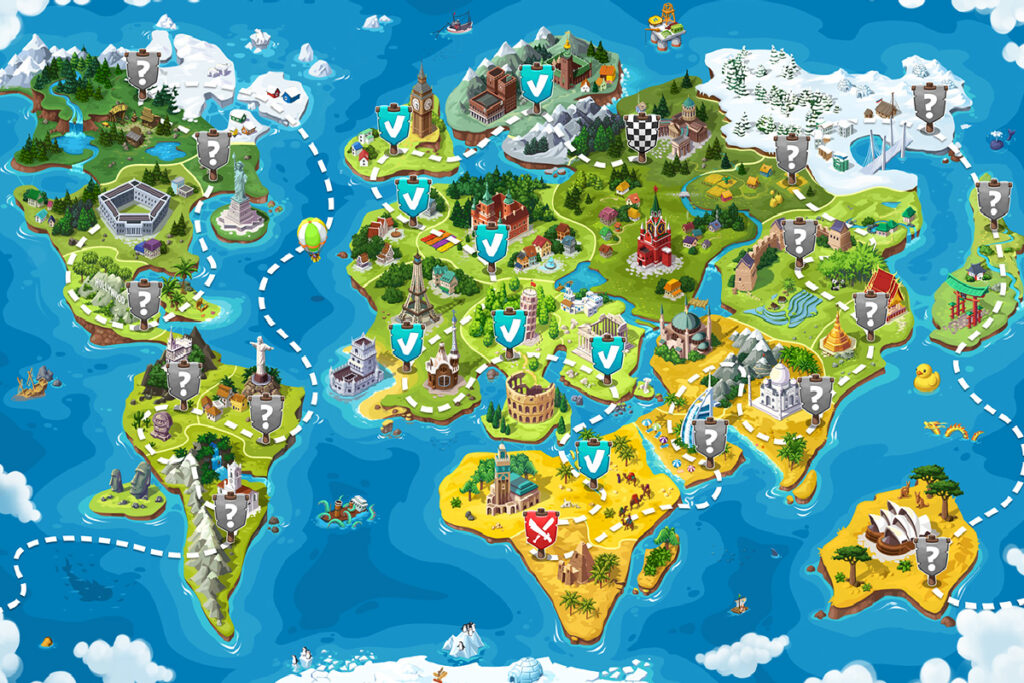
Global success today depends less on finding one perfect build and more on understanding a network of very different regions. APAC, EMEA, the Americas, LATAM, and MENA remain helpful labels, but each contains layers of variation that shape how games are played, paid for, and experienced.