
What Japan’s Gaming Market Reveals About Player Trust

Japan reinforces a key lesson for global game publishers: player trust is built on alignment. The Japanese market’s value is hugely enticing, but tapping into it means truly understanding and investing in its audience.
Cross-Functional QA: Where Quality Is a Multi-Team Priority

Quality issues do not recognize team boundaries. They show up where systems interact—and often, therefore, where players form their impressions. When testing reflects that reality and teams treat QA as a shared space for addressing context and making decisions, issues are far more likely to be caught long before players run into them.
Accessibility as a Core Worldwide Gaming Experience
Accessibility is a mindset that touches everything and should be adopted accordingly: in writing, design, localization, QA, and voice/audio. In some cases, thinking in accessibility terms may require a cultural shift.
SpongeBob SquarePants: Titans of the Tide
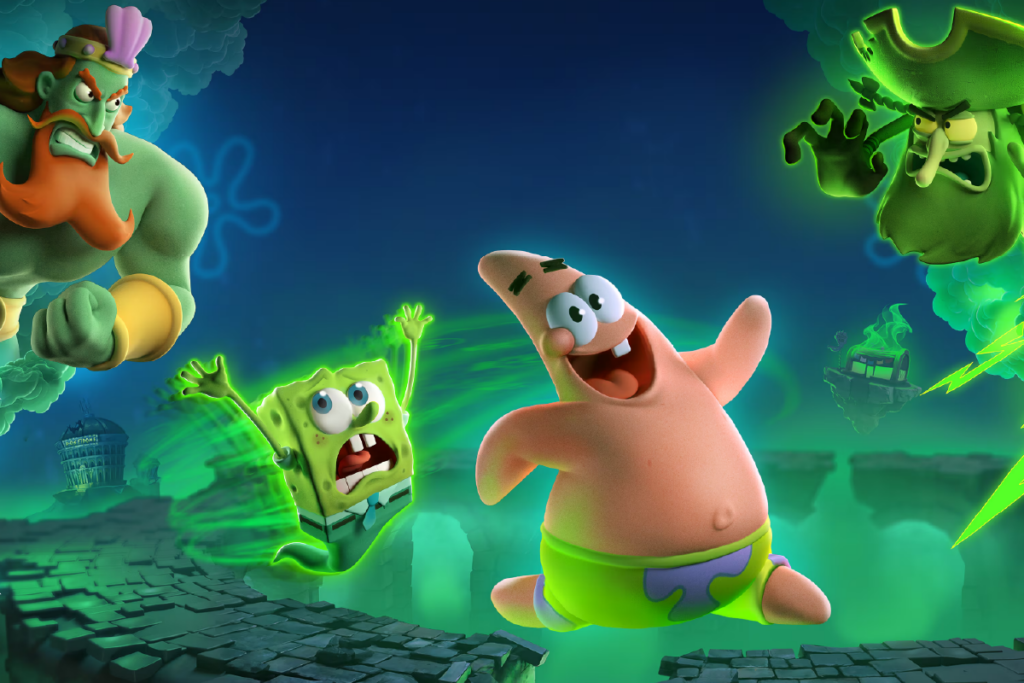
As every fan knows, SpongeBob humor moves fast and hits hard. When Purple Lamp and THQ Nordic commissioned Terra to localize both the text and full audio for SpongeBob SquarePants: Titans of the Tide into Brazilian Portuguese and Latin American Spanish, our team understood the stakes.
Reaching Players in the Latin American Region

LATAM has become one of the most closely watched regions in gaming for its rapid expansion, to the point that it’s hard to frame as an emerging market anymore.
Behind the Mic: How Game Engines Shape Audio Localization

Players rarely notice localized audio when it’s working well. But when a character’s voice cuts off mid-sentence or a line feels rushed and flat? Those types of experiences that break immersion, fast.
What Made Mario a Plumber Still Drives Localization Today
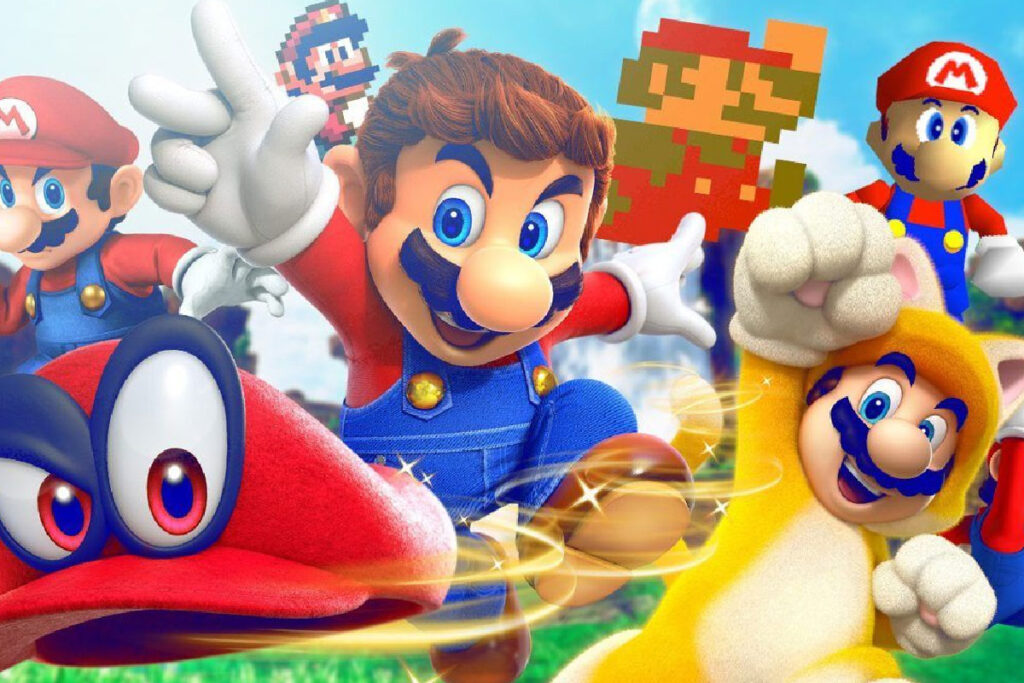
Just as Mario’s job changed to fit a new setting, localized content often needs to adjust to fit a new audience. Tone, humor, and references all ride on signals that aren’t always shared across cultures.
Game Localization in MENA: Meeting Players Where They Are
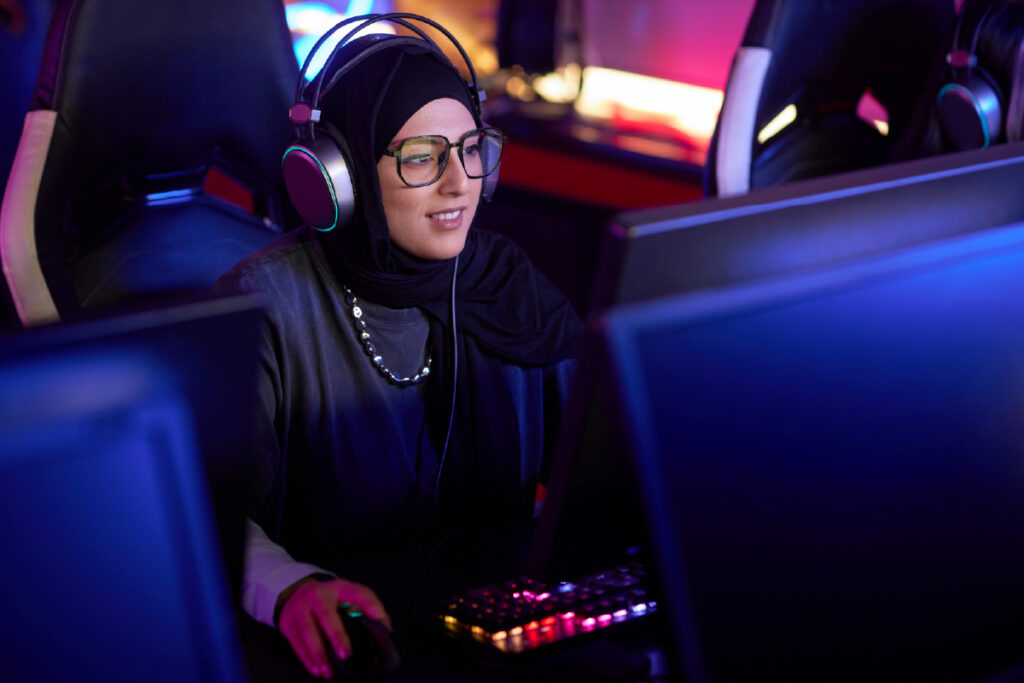
MENA brings multiple languages, platforms, and cultural expectations under one label, so successful releases rely on planning that respects that complexity.
Speaking the Same Language: How Game Terms Build Global Identity

When you play a video game, you step into a world of new rules, new stories, and often, new words. But sometimes, terminology is instantly recognizable, like Hadouken, which may well ring a bell even for players who’ve never touched a Street Fighter match. Other terms become widely known withing a community: a part of a […]
Dos and Don’ts of AI in Game Localization: Strategy Before Speed

AI can be a smart addition to a game localization program, but only when it serves a clear purpose and allows for human creativity to carry the experience. Planning AI tool adoption should start with identifying the why before data and content and content are prepared.
QA in Live Games and Post-Release Updates

Launch is a milestone in any video game development, but quality assurance remains a steady commitment that should continue even after release.
APAC Game Markets: High Potential, High Expectations

APAC is often treated as a single region, but the label belies a diverse group of markets that together account for more than half of the world’s players.