
Global game revenues keep rising along with players’ appreciation for games with a sleek look and feel, but creating a true hit in 2025 took more than polished gameplay. A clear understanding of where players are, what genres they favor, and how those preferences shape title localization is what truly set hit games apart this past year.
Newzoo’s latest report confirms what some developers have long known: the same title won’t land the same way across different platforms or regions. That’s why understanding both where your players are and what they play is key to reaching them in a voice that feels like their own.
Here’s how the industry has been evolving to meet these needs in the past twelve months, and what that means for teams planning global releases.
Platform Popularity Is Not One-Size-Fits-All
What do Fortnite, Monster Hunter, and Royal Match have in common? They’re not only hits, they’re adapted global sensations that reflect a deep understanding of their audiences, from platform choice to in-game language, pacing, and even voice actor selection.
After all, not all platforms thrive equally across the globe. Console gaming continues to lead in markets like the U.S., Japan, and Western Europe, while PC remains strong in regions with vibrant modding communities. Mobile dominates almost everywhere else, especially in emerging economies where accessibility is key.
Developers looking to go global need to match their localization and production strategy with regional genre and platform landscapes. This mix affects not just gameplay design, but tone, text volume, and user experience expectations.
Genre Trends by Platform (Newzoo, 2025)
PC: Familiar Genres, Flexible Audiences
PC remains a flexible space for players who like depth, experimentation, and variety. While shooters still top the chart, RPGs, simulation games, and narrative-driven experiences also perform well.
2025 Revenue: $39.9 billion (+2.5% YoY)
Top Genre: Shooter – $9.0 billion (23% share, -5% YoY)
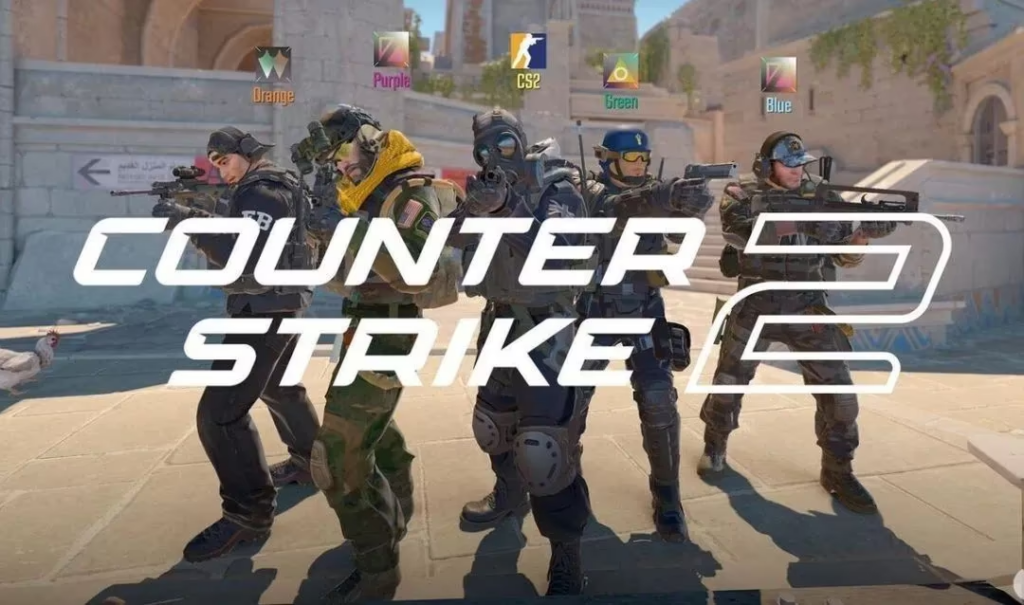
Top-Grossing PC Titles (by genre):
- Counter-Strike 2 & GO (Shooter)
- Monster Hunter Wilds (RPG)
- R.E.P.O. (Adventure)
- The Sims 4 (Simulation)
- Fortnite (Battle Royale)
(PC | Global | Jan–Jun 2025)
Top titles like Counter-Strike 2, Monster Hunter Wilds, and The Sims 4 reflect this breadth. Each of them demands something different from localization:
- Shooters need fast, functional UI and culturally sensitive voice work. Localization precision in both areas is critical.
- RPGs require deep lore consistency and terminology control.
- Sim games challenge localizers with system-heavy UI and real-world references.
Console: Blockbusters & Brand Loyalty
Console players continue to show up for big names and high-stakes experiences. In 2025, EA Sports FC25, Assassin’s Creed Shadows, and Call of Duty have dominated the charts, showcasing just how loyal console audiences are to cinematic gameplay and recurring franchises.
2025 Revenue: $45.9 billion (+5.5% YoY)
Top Genre: Sports – $10.6 billion (23% share, +3.5% YoY)

Top-Grossing Console Titles (by genre):
- EA Sports FC25 (Sports)
- Assassin’s Creed Shadows (Adventure)
- Monster Hunter Wilds (RPG)
- Call of Duty: MW II / III / Warzone / Black Ops 6 (Shooter)
- Fortnite (Battle Royale)
(PlayStation & Xbox | 6 markets | Jan–Jun 2025)
However, high production value comes with high expectations, and having a built-in fan base only raises the bar for localization. Story beats, character arcs, and real-time dialogue have to resonate across cultures, without losing their original intent. In addition, players expect consistency with previous titles, seamless adaptation of voices, and perfect placement of sound cues along with a top-notch UI experience.
Mobile: Diverse Genres, Global Reach
Mobile games span everything from quick-match puzzles to expansive RPGs. But unlike PC or console, the top five mobile genres make up only part of the market. A long tail of smaller genres fills out the rest.
2025 Revenue: $103.0 billion (+2.9% YoY)
Top Genre: Role-Playing – $18.7 billion (18% share, -14.7% YoY)

Top-Grossing Mobile Titles (by genre):
- Pokémon GO (Role-Playing)
- Whiteout Survival (Strategy)
- Royal Match (Puzzle)
- Coin Master (Casino)
- PUBG (Battle Royale)
(App Store & Google Play | 72 markets | Jan–Jun 2025)
That kind of variety creates a unique localization challenge: each game needs to scale across languages, cultures, screen sizes, and usage patterns while remaining relevant, usually via seasonal patches or some sort of achievements or competencies. Sometimes, it’s all of the above; with each evolution or content update demanding fast turnaround and the maintenance of sensitivity to cultural norms in cosmetics, dialogue, and tone.
Data Is Helpful, But Context Is Essential
Revenue trends are useful, but numbers alone don’t drive development decisions. Understanding why genres thrive in different markets can add clarity to your localization plan.
Let’s take a look at some examples. Germany leans into simulation titles that mirror real-world systems, while Japan continues to favor games rooted in mythology, robots, and romantic subplots. Indonesia shows growing demand for social titles like HAGO with chat features and local-language support.

Player behavior also tracks closely with purchasing power. In markets with lower income per capita, premium pricing strategies often struggle. This shifts the focus toward ad-supported content, lower-cost entry points, and alternative monetization models. These alternative economic models come with their own game localization considerations: in-app purchase clarity, dynamic UI strings, and regulatory compliance across data processing laws like GDPR or COPPA aren’t optional.
In the end, localization is about more than translating what’s on-screen. Its most important function lies in matching cultural tone, pacing, gameplay, and player expectations in ways that feel natural for them.
The Takeaway
Buried beneath the charts and revenue numbers is a simple truth: every video game genre speaks a different language. And not just linguistically, but structurally and culturally, too. Ultimately, the genre you’re contributing to should serve as a blueprint for your global localization strategy, as it helps you decide which regions to tackle.
Fine-tuning this strategy requires collaboration across departments, from narrative and UI design to QA and live ops. It also means giving localization teams a seat at the table early on. Because when you speak your players’ languages, you don’t enter a market; you already belong there.