
Think back to the first time a game made you pause as the realization hit you: Wait, she’s the lead? Moments like these used to be so infrequent that they often felt like a surprise gift for players, and that rarity was a huge influence on the degree to which characters like Samus, Lara, and Ciri became indelible for audiences worldwide.
Today, the employee makeup of the gaming industry shows why women’s representation still carries outsized significance, onscreen and off. Women make up roughly a quarter of the gaming workforce while around two thirds identify as men; and about 6 percent identify as non-binary, according to GDC’s 2025 State of Industry Report. In large developer surveys, women are closer to 23 percent of respondents, and among developers with over 20 years of experience, men represent about 87 percent, with a large share being white. Those numbers go a long way to explain why who gets to lead on screen still feels like a statement.
From early breakthroughs to today’s headline releases, female protagonists have broadened the idea of what strength, intelligence, and resilience can look like in games. As their roles become more nuanced, the people behind the writing, performance, and localization of these characters’ worlds bear more responsibility too, since these stories need to land with the same intention wherever they’re played.
Quiet Revolution: Samus Aran, Metroid
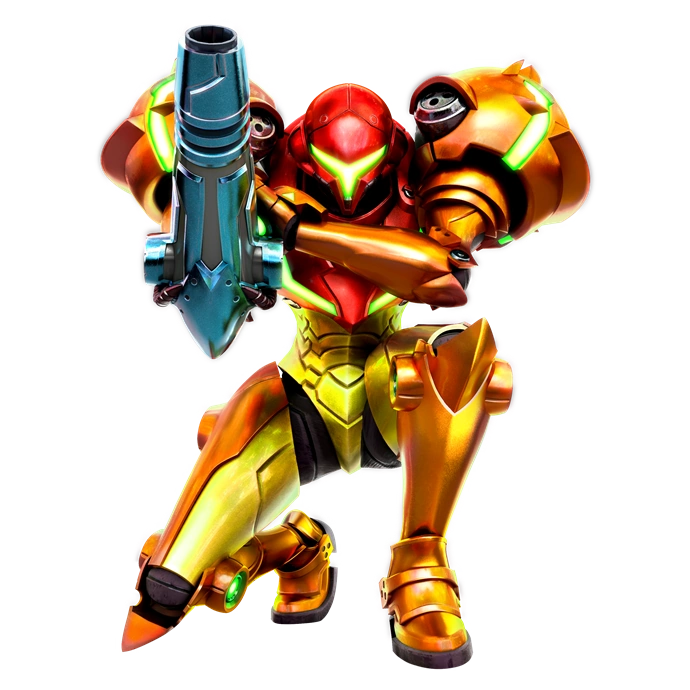
When Metroid launched in 1986, players were introduced to a heavily armored bounty hunter navigating hostile alien worlds. Only upon completing the game did many discover that the protagonist, Samus Aran, was a woman. At the time, this reveal was unexpected, not because female characters did not exist, but because they were rarely positioned at the center of major action titles.
What made Samus groundbreaking was the way her identity was integrated into the experience, since she was competent and independent from the beginning, and her story was not framed around explanation or justification. She was there to complete her mission.
That subtlety mattered. Samus did not enter gaming history as a novelty, but as a protagonist whose abilities defined her long before her identity was revealed. In doing so, she opened space for more varied forms of representation in action-driven narratives.
Visibility and Evolution: Lara Croft, Tomb Raider
A decade later, Lara Croft emerged as one of the most recognizable figures in gaming. The original Tomb Raider placed her at the center of global adventure in 1996. Lara was intelligent, athletic, and fearless, exploring ancient ruins long before cinematic action games became commonplace.
Lara’s early portrayal reflected the design trends of the 1990s, but over time her character evolved. Later iterations, particularly in the reboot trilogy beginning in 2013, reimagined her with greater narrative depth; in fact, vulnerability, doubt, and growth became part of her arc. She morphed into a layered protagonist shaped by circumstance and choice.
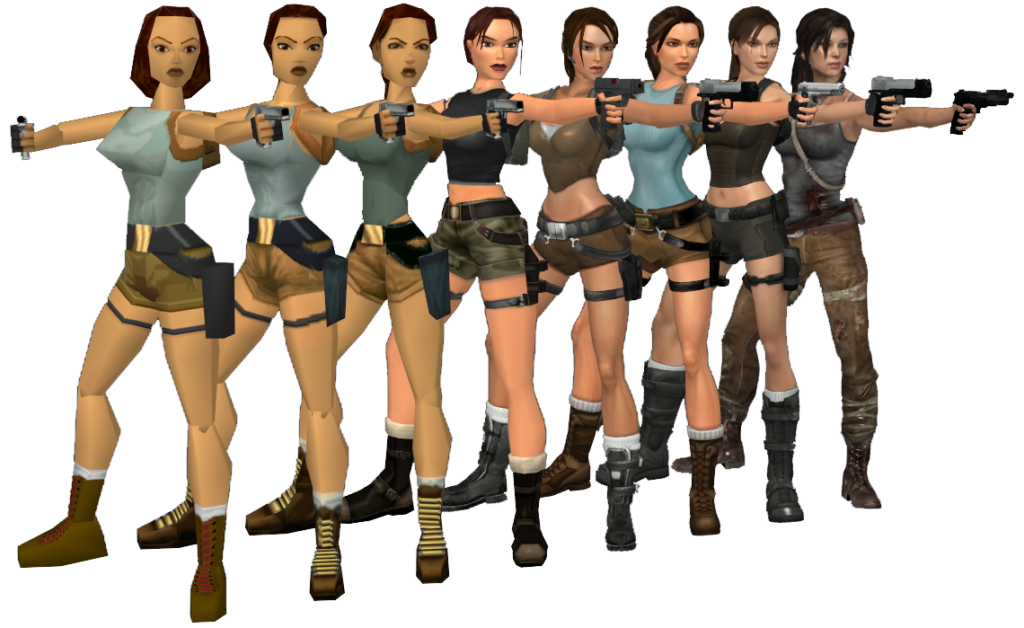
Lara Croft’s evolution mirrors a broader shift in the industry: as audiences matured, their expectations for character development grew more nuanced. Character strength could now be measured by more than invincibility, as new space was made for emotional uncertainty, empathy, and personal conflict.
Lara Croft’s continued relevance after three decades demonstrates how enduring female characters and their stories can adapt to reflect changing cultural conversations while remaining rooted in the spirit of adventure and discovery that has driven their stories from the start.
Shared Legacies and Expanding Universes: Ciri, The Witcher
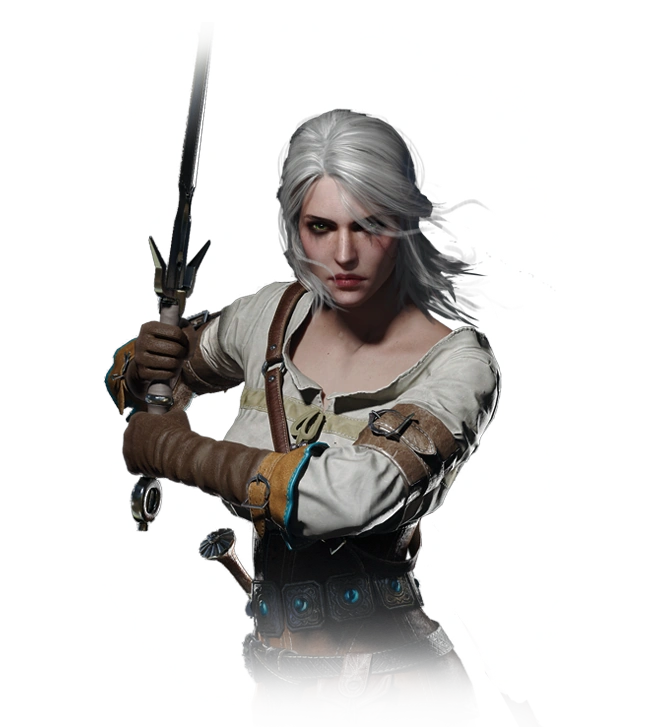
In sprawling role-playing universes, characters with agency are particularly significant. Princess Cirilla, introduced as a central figure in The Witcher 3: Wild Hunt, represents a different kind of agency milestone. Although Geralt of Rivia retains his defining protagonist’s presence in the series, Ciri’s narrative arc, notably, stands firmly on its own. Ciri is not framed as a secondary player in someone else’s legend, but as a character with her own destiny and influence in their shared world.
Ciri’s abilities, moral complexity, and emotional depth also position her as a driving force within the story’s political and interpersonal conflicts. In recent announcements, developer CD Projekt Red confirmed that Ciri will take a leading role in the upcoming The Witcher installment, further cementing her place at the center of the saga.
Ciri embodies a shift toward shared legacies in gaming, as more major franchises move away from simplistic and harmful stereotypes, and past a single perspective to include women as mythic figures, decision makers, and catalysts for change within richly developed worlds.
Expanding Archetypes in Horror: Grace Ashcroft, Resident Evil
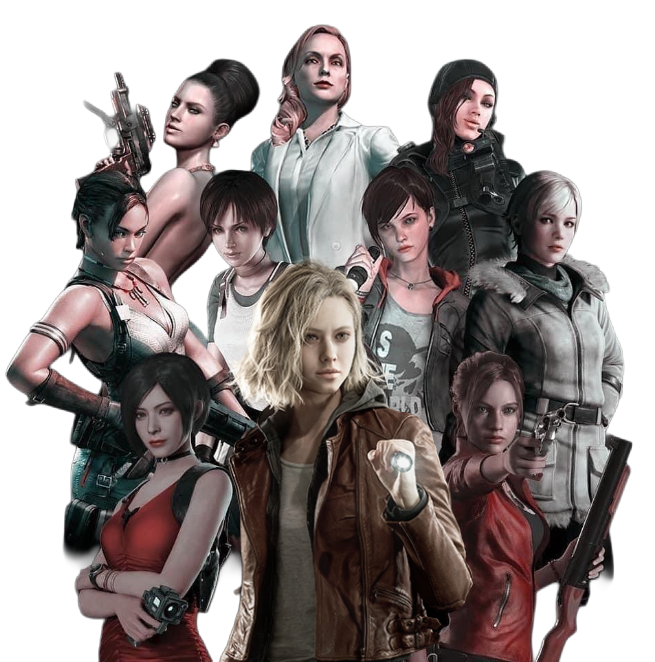
To its credit, the survival horror genre has long featured women in pivotal roles, from Jill Valentine to Claire Redfield. More recently, entries such as Resident Evil Requiem continue that tradition, but are also enriching it with intriguing new female protagonists like Grace Ashcroft.
Grace and her counterparts are being designed to reflect another dimension of representation: a person’s professional identity and emotional complexity in high-pressure environments. Scientists, investigators, survivors, and strategists—these characters are written as individuals with expertise and ownership of their actions. Just as Lara Croft’s evolution has demonstrated, these characters’ strength lies not only in their physical endurance, but also in their analytical thinking, adaptability, and leadership.
In horror settings, where vulnerability is often part of the narrative tension, portraying female protagonists with competence and clarity becomes especially significant. In fact, it reinforces the idea that fear does not have to diminish capability. Instead, it can present opportunities for resilience, intelligence, and strength of all kinds to shine.
Representation Through Language
Character design and narrative arcs go a long way toward shaping representation in gaming, and language determines how that representation is received by audiences worldwide. The way dialogue is written and delivered, including the delivery’s tone and register, affects the way that players read different characters’ authority and emotional range.
A line delivered with a certain emotion or intent (confidence, joy, sarcasm, sadness, etc.) in one language must land the same way in another. Cultural references, humor, and expressions of vulnerability, therefore, often require a particularly thoughtful adaptation to preserve their nuance. The choice to retain original phrasing is always a decision to be made with care.
Localization teams play a crucial role in safeguarding the integrity and intent of original characters and their stories. By drawing upon their deep knowledge of language and cultural context across the globe, and by collaborating closely with developers and writers, linguists help ensure that characters like Samus, Lara, Ciri, Grace, and all the powerful female protagonists still to come retain their voices and independence in every market.
The Takeaway
Female protagonists have moved closer to the center as developers tried new ideas and audience expectations shifted. Samus Aran’s smooth reveal challenged assumptions about who can be a hero; Lara Croft’s global presence helped redefine who could establish international visibility; and Ciri’s narrative authority signaled an era of shared mythologies. Resident Evil’s protagonists picked up that thread, showing how such archetypes keep expanding. Fortunately, the list doesn’t end there.
Today, more women characters stand at the center of major releases as protagonists whose stories drive entire franchises. As games increasingly ship globally on publication day, writing and localization teams share a responsibility to these characters: to keep that complex agency coming in their development, and to maintain that agency across every language version, so the character is known internationally as the exciting, complex protagonist she was designed to be.