
When you play a video game, you step into a world of new rules, new stories, and often, new words. But sometimes, terminology is instantly recognizable, like Hadouken, which may well ring a bell even for players who’ve never touched a Street Fighter match. Other terms become widely known withing a community: a part of a shared gaming vocabulary among fans.
What’s fascinating is how these words may or may not survive the game translation process. In some language versions, they stay untouched; in others, they’re adapted to feel more intuitive. Neither choice is random. Whether a word or phrase remains in its original language or is translated for a local audience, the decision reflects what developers and localization teams determined what mattered most in that instance: clarity, identity, or emotion.
The Power of Familiarity
Certain terms become woven into gaming’s collective identity, rooted in the very worlds that created them.
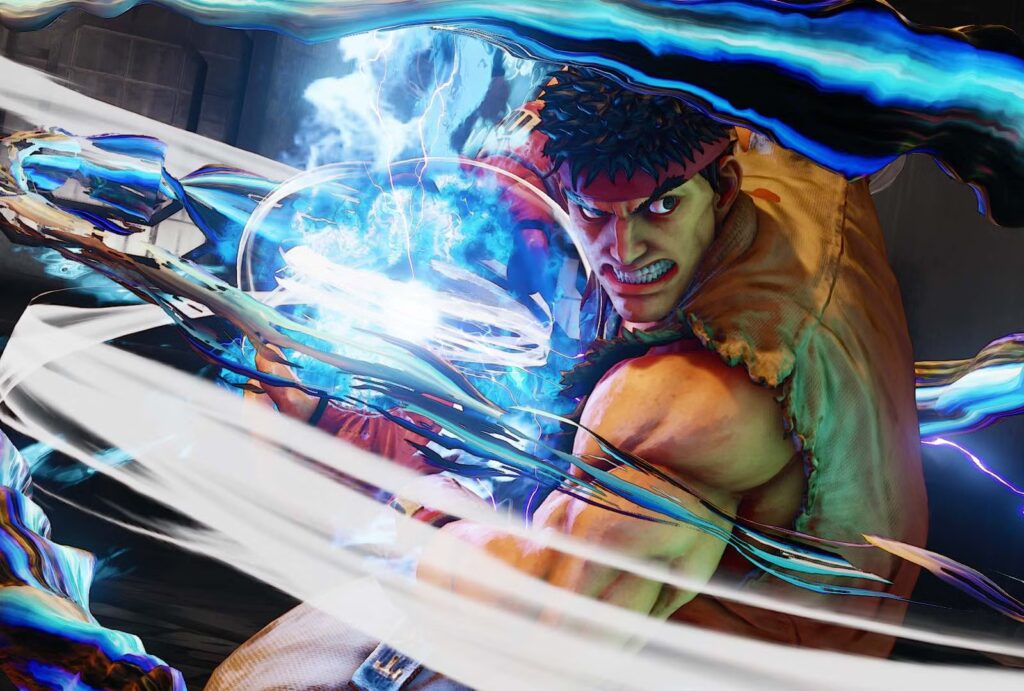
Take the word “Hadouken,” for example. Localizing this Street Fighter attack move from the original Japanese might spell out its literal meaning (“Surge Fist” in English, say), but the localization would also erase the impact of the original term, which has become instantly recognizable to generations of players and many non-players, alike. Over the years, the term moved far beyond its role inside the game, and even went so far as to inspire a real-world photo trend in Japan, in which people recreated its dramatic energy blast pose. That profound level of cultural presence reveals how certain words and phrases can evolve into symbols that players everywhere immediately understand, and it demonstrates, too, how a term’s sound, rhythm, and/or long-standing connection to a franchise give fans a sense of identity that localization teams often do well to preserve.
Sometimes developers go beyond preservation when they determine a game’s world would benefit from a language of its very own. These highly creative forms of invented communication can foster different—but no less powerful—layers of player familiarity and identity as they become acquainted with how the inhabitants of a world make themselves understood. Simlish, spoken by the inhabitants of The Sims, and the Gerudo and Sheikah languages featured in The Legend of Zelda series, are all examples of conlangs (or constructed languages) that have had this effect.
When Localization Opens Doors
Of course, not every term can—or should—stay the same. Some worlds depend on language to reveal their meaning.
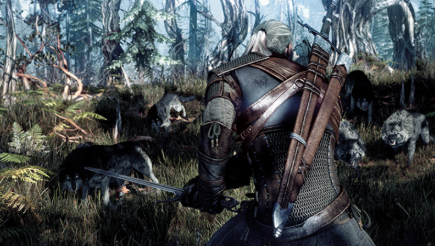
The Witcher series is a great example. Rooted in Polish folklore and Slavic mythology, its world is rich with cultural detail. Localizing its creature names, places, and spells not only fosters accessibility, but it also helps players outside that culture understand the world’s beauty and depth. Without those adaptations, much of the story’s resonance would remain locked behind unfamiliar terms.
Localization also supports clarity. In action-heavy games, where decisions must be made in seconds, opaque terminology can frustrate players. Adapting ability names or item functions ensures everyone can understand mechanics intuitively, no matter where they play.
Words as Design Decisions
The process of deciding whether or not to localize a term is more akin to game design than to simple linguistics, because every choice influences how players feel and behave in the world they’re exploring.
Localization teams, therefore, must weigh how much of the original tone to preserve; whether a word contributes to (or detracts from) immersion; and how global audiences will receive it. This is especially true as nostalgia drives continued interest in certain games and franchises and presents localization teams with considerations that are crucial to maintaining audience connection. Along the way, they collaborate with writers, developers, and even marketing teams to align creative intent with accessibility.
Sometimes, English terms remain for branding consistency or to strengthen a game’s visual identity. (Think Charles Martinet’s decadeslong performances for the Super Mario Brothers franchise.) Other times, teams craft new localized terms that better capture the intended tone or humor. Either path, when taken thoughtfully, keeps the spirit of the original intact while making sure the game speaks fluently to every player.
The Takeaway
Certain game terms stay exactly as they are across versions, while others are adapted to fit new cultural and narrative contexts. In either case, they will shape how players understand a game’s world and connect with it. When a familiar term like Hadouken appears in a localized version, it reflects a conscious effort to preserve identity, just as adapted terms reflect a need for clarity and cultural meaning.
Localization decisions carry weight. They demonstrate a developer’s awareness of how stories travel, how players interpret them, and how language helps build a shared experience across borders. At its best, localization guides a game to feel authentic to every audience, no matter where they are or what language they speak.