
Mystery games keep players hooked with intricate clues, layered storytelling, and just enough suspense to keep them guessing. But for localization teams, these stories present another element of puzzle-solving. It’s one in which every word, hint, and line of dialogue must click into place without giving away too much . . . for each new language version being published.
Titles like Sherlock Holmes: Crimes & Punishments, The Vanishing of Ethan Carter, and Return of the Obra Dinn offer complex gameplay wrapped in tightly woven narratives. To bring that same experience to players across languages, localizers need a sharp eye for detail, deep cultural awareness, and a translator’s toolkit full of creative thinking.
Crafting Intricate Narratives Without Losing the Thread
Mystery games thrive on tension. Clues are scattered across conversations, environments, and item descriptions. If a translation changes the tone or structure too much, the whole setup unravels.
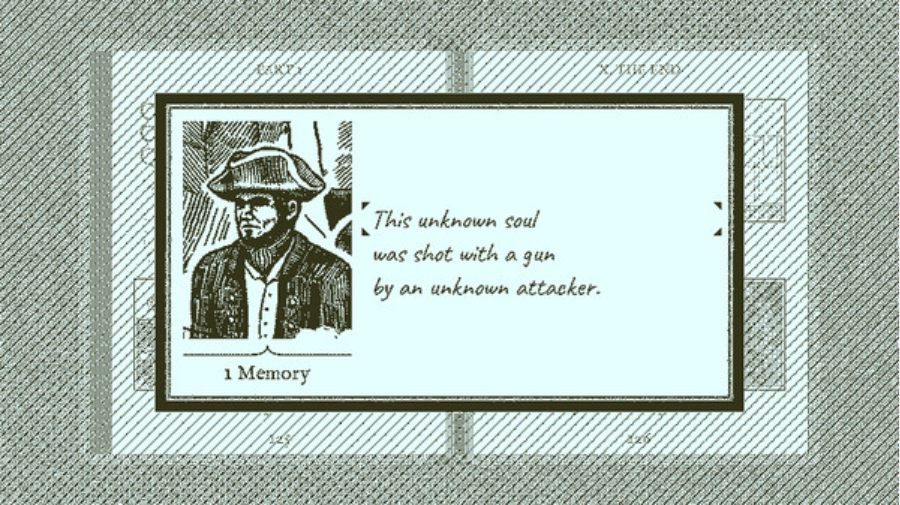
In Sherlock Holmes: Crimes & Punishments, for example, interrogations and evidence-gathering demand careful phrasing. If they’re too vague, players may get lost looking for meaning in words that don’t say enough. If they’re too revealing, the mystery is no mystery at all, and the game falls flat. In a similar vein, Return of the Obra Dinn asks players to reconstruct a ship’s grim fate using nothing but names, documents, and memory fragments. The translation of these elements not only has to be spot-on, but it also has to respect the game’s specific period tone and narrative rhythm. If it fails, the translation risks breaking player immersion.
Puzzles that Speak Every Language
Wordplay. Riddles. Coded messages. For localizers, puzzles are one of the trickiest elements to adapt properly. They can’t be directly translated, but they can’t be simplified either. So what is the goal? Localizers must maintain the challenge for players while also making the gameplay feel natural in their target language.
In The Vanishing of Ethan Carter, puzzles are often tied to the environment or presented through cryptic texts. These moments need to stay opaque, without becoming so vague that they cause only confusion. Similarly, Sherlock Holmes: The Devil’s Daughter mixes deduction and logic problems with language-based clues. If translations miss the nuance, the puzzle either becomes impossible . . . or entirely too easy.
Precision Where It Matters Most: Clues and Evidence
Clues are the backbone of any good mystery. But even a slight mismatch in terminology can send players down the wrong path.
In Return of the Obra Dinn, players rely on small details like job titles, regional accents, and relationships between crew members to piece together the narrative. Translators must maintain consistency and coherence in all these elements to ensure that players can rely on the text to solve the mystery.
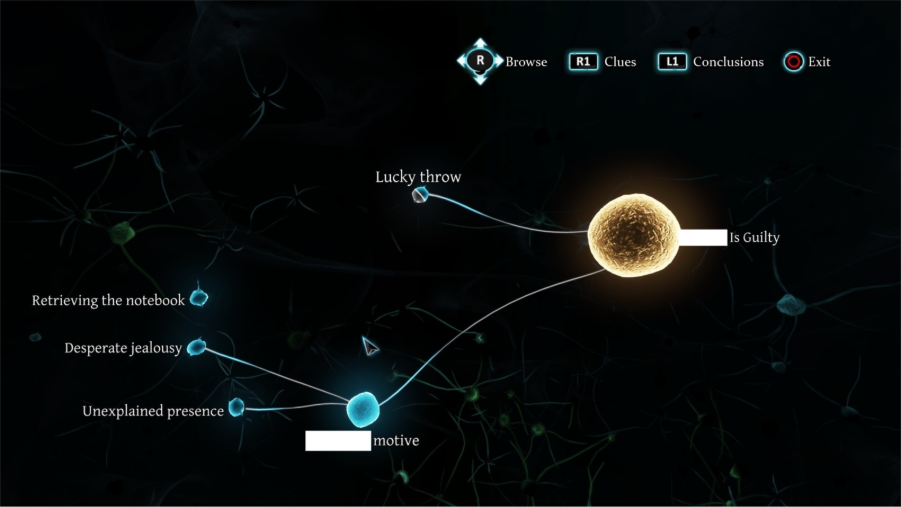
Sherlock Holmes: Crimes & Punishments includes evidence that must be linked to form conclusions. Translators, therefore, need to understand the game’s logic and narrative structure to ensure that terms for objects, locations, and forensic findings are precise and logical. That way, they allow players to form accurate deductions.
Handling Heavy Themes with Cultural Sensitivity
Mystery games often wade into darker territory such as loss, violence, or moral ambiguity. Localization teams need to handle these elements with care, especially when themes carry different cultural weight across regions.
In The Vanishing of Ethan Carter, the haunting themes of loss and the supernatural are central to the game. Localization teams ensure that these themes are conveyed respectfully across cultures, adapting metaphors and references as needed to preserve the emotional weight without alienating players.
Meanwhile, Sherlock Holmes games, often set in Victorian England, incorporate period-specific cultural elements that may be unfamiliar to international audiences. Localization teams work to balance authenticity with accessibility in these cases, explaining, where necessary, certain concepts or adapting them to ensure players can fully engage with the setting and story.
Keeping the Atmosphere Intact
Suspense isn’t just about what is said, but also how it’s said. Word choice, pacing, tone; all of it feeds the atmosphere of tension and maintains player curiosity while keeping the narrative flowing.
Return of the Obra Dinn uses a minimalist visual style combined with an eerie soundtrack to create an unsettling atmosphere. It uses sparse, old-fashioned text that matches its stark visuals, because any modern phrasing would be jarring and could pull players out of the world.
In The Vanishing of Ethan Carter, the game’s poetic narration adds depth to the story. Here, translation isn’t just about meaning, but mood as well. The localized version must feel just as haunting as the original.
The Takeaway
Localizing mystery games is a game of its own, as teams work to deliver a compelling and cohesive experience that keeps players across cultures guessing until the very end. The process demands precision, empathy, and a lot of creative problem-solving. The linguists must make sure that a twist still shocks, that a puzzle still challenges, and that players everywhere can feel like they’re working to uncover something just below the surface.
Whether they’re adapting a riddle, maintaining a clue trail, or preserving that heart-pounding moment of revelation, localization teams are quietly shaping the mystery behind mystery games. And if they’ve done their work well? You won’t even notice, thanks to your total immersion.